WILD MUNICH

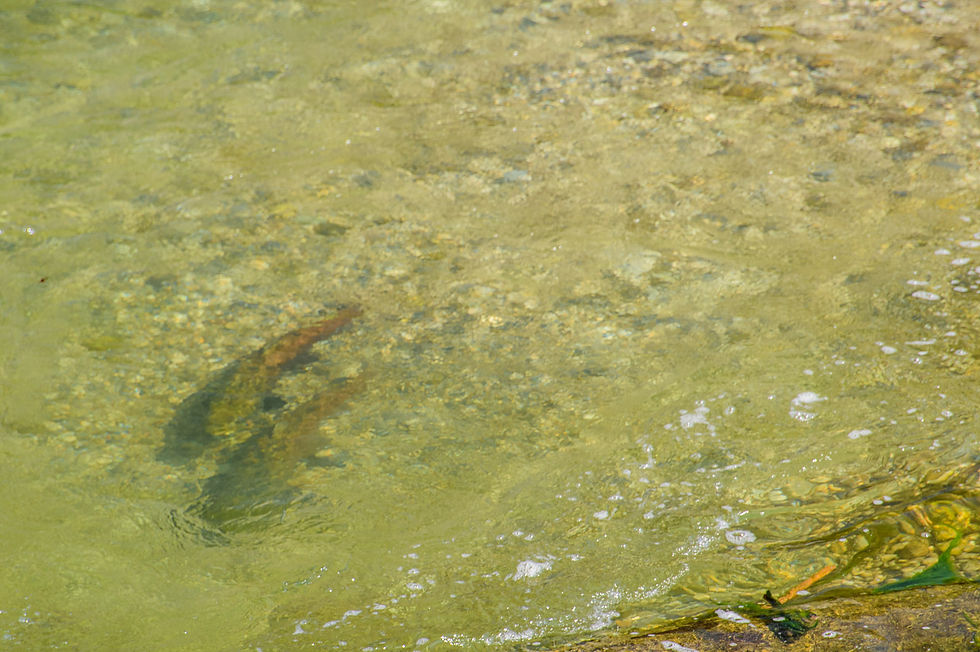
On a sunny but chilly April day, we head to Munich's popular Flaucher riverbank on the Isar, where dedicated Isar anglers protect the spawning grounds of the rare huchen—also known as the Danube salmon, a mighty endemic salmonid up to 1.5 meters long from the upper and middle Danube tributaries. These gravelly stretches are among the last regular spawning sites in Munich, despite heavy recreational use for bathing, barbecues, and hangouts. Volunteers erect large-scale barriers around traditional and newly discovered nests to prevent trampling by unaware bathers, constantly updating protections as fish pairs claim fresh spots. The public shows huge interest: Passersby stop to watch for the fish, ask about population status, and learn about this special species. Beyond intense human activity, climate change threatens the huchen further—summer water temperatures over 20°C become lethal if the fish can't migrate to cooler areas. The project safeguards key spawning sites, raises awareness, and gives this vulnerable population a fighting chance against mounting challenges.




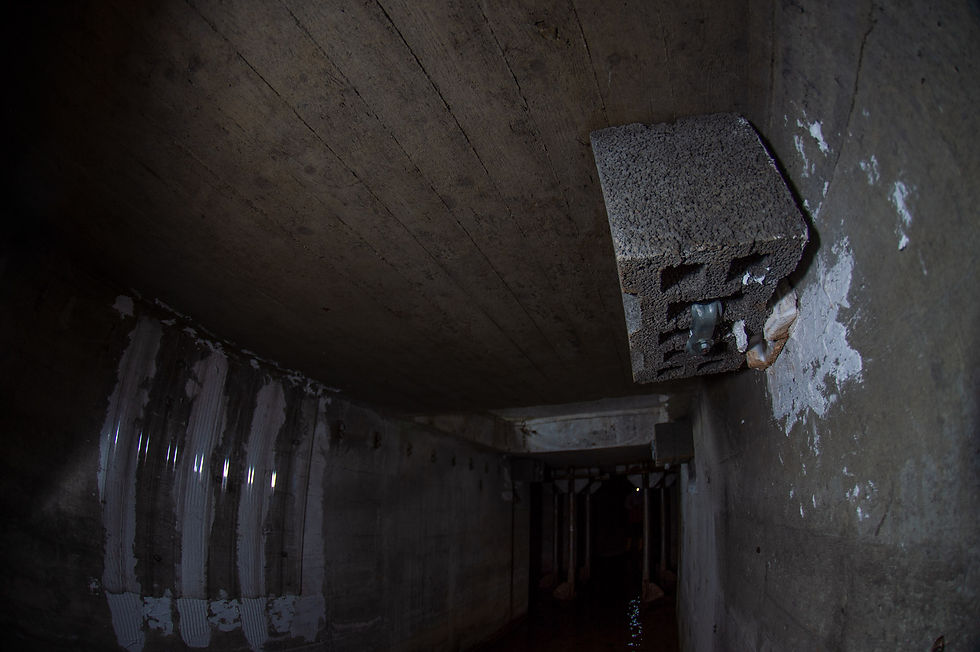
In Munich, urban ruins like the former heating plant in Aubing (now Bergson Kunstkraftwerk) provide perfect roosts for the protected barbastelle bat (Barbastella barbastellus), a small species with distinctive black-brown fur and pale underside. Built 1940–1942 as a railway heating plant until 1988, it fell into decay, gained heritage protection in 2007, and became a cultural center in 2024 with the "Elektra Tonquartier" concert hall and basement live club "Barbastelle"—named after the bat. The flooded basement and district heating tunnel served as winter quarters for years: In 2016/17, barbastelle bats (at least four individuals) and six species were acoustically confirmed, including swarming calls. During conversion, conservationists added optimizations: two new entry points (e.g., shaft rings), a separated basement section with hollow blocks and corrugated sheets as roosts, a water basin for microclimate diversity, and tunnel drainage. Barbastelles used the new routes by 2017, with a brown long-eared bat and two barbastelles in 2017/18—success: Diversity preserved, roosts accepted. Despite the cultural revamp, the basement (including "Barbastelle" club) remains a winter habitat; Ongoing monitoring ensures the further success of this project!




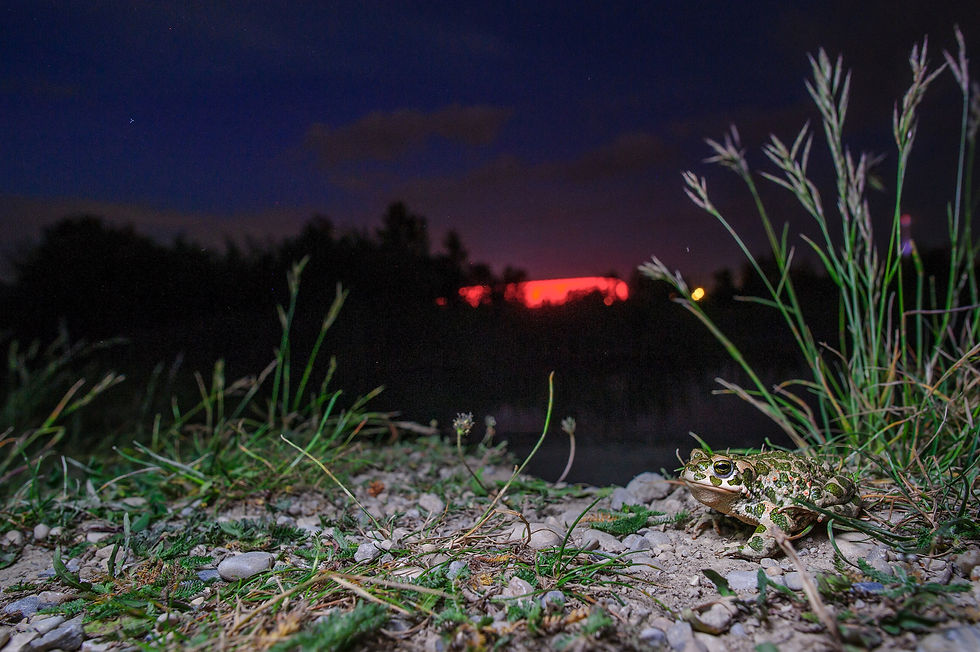
On scorching summer days above 30°C, I head to Munich's northern Fröttmaning Heath, where volunteers lend a hand to the endangered natterjack toad—a pioneer species from open, steppe-like landscapes. On gravel-rich areas dotted with temporary puddles, formed by gravel mining and old military training grounds, toad guardians bike in water during droughts or carefully relocate tadpoles to prevent breeding failure. Climate change with prolonged dry spells, intensified agriculture, and the straightening of the Isar and Würm rivers have wiped out natural floodplain habitats that this toad needs for sunny, fish-free spawning waters. The Heath Association Munich North e.V. and site manager Tobias Maier safeguard the population through creating new ponds, educating against disturbances from mountain bikers, dogs, and walkers, plus long-term monitoring—for the benefit of natterjack toads, tree frogs, and even the relict fairy shrimp. Everyone can pitch in by not releasing invasive newcomers like goldfish or red-eared sliders into the wild; this keeps Munich's largest Bavarian population thriving.


